

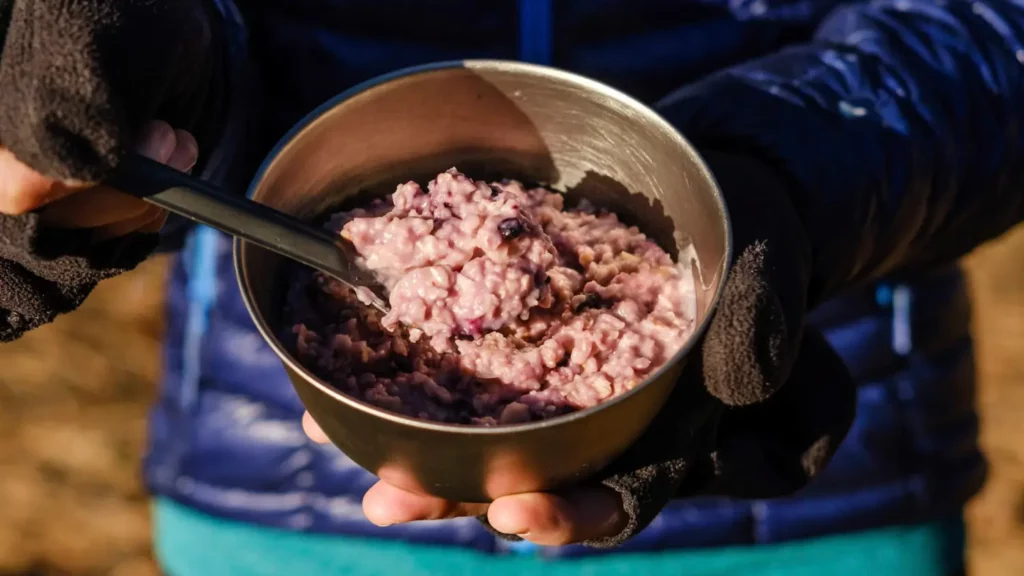
If you’ve ever felt hangry an hour after breakfast on trail, you’re not alone. Most instant oatmeal for backpacking is quick and easy—but not long lasting. It’s low in calories, fat, and protein, and loaded with sugar that spikes your energy, then drops it like a rock. But this backpacking oatmeal recipe changes the game. It’s just as quick to make, loaded with nutrition, and keeps you satisfied for miles.
Table of Contents
- Why Instant Oatmeal Packets Fall Short
- Meet the Backpacking Oatmeal That Fuels Miles, Not Crashes
- As Seen in Backpacker Magazine
- Pro Tips to Maximize Trail Nutrition
- Recipe: Home & Field Instructions
- Ingredient Swaps & Dietary Options
- Mistakes to Avoid When Prepping Trail Oats
- FAQs
- Plan Smarter Breakfasts with Backcountry Foodie
Why Instant Oatmeal Packets Fall Short
It’s time we call it: the classic instant oatmeal packet just doesn’t cut it. With barely 150-200 calories, almost no fat or protein, and sky-high added sugars, it sets you up for a blood sugar crash by mile three.
What makes instant oatmeal so unsatisfying?
- Low protein: Most have <5g per serving
- No healthy fat: Which means faster digestion and less satiety
- High glycemic index: Causes a quick spike — and crash — in energy
- Lack of fiber: Doesn’t keep your gut (or hunger) satisfied
Many hikers don’t realize that their breakfast is sabotaging their day before it even begins.
Meet the Backpacking Oatmeal That Fuels Miles, Not Crashes
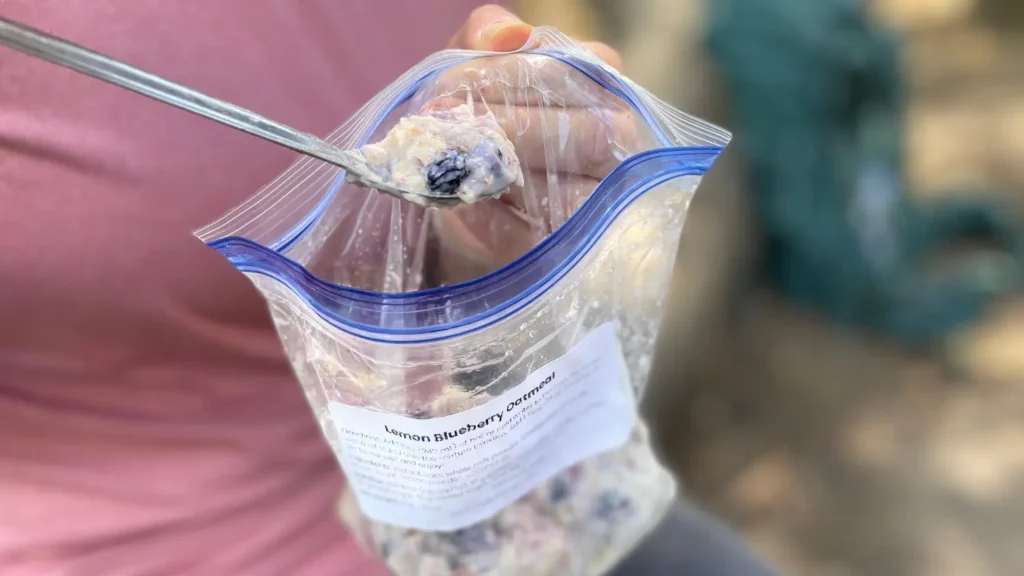
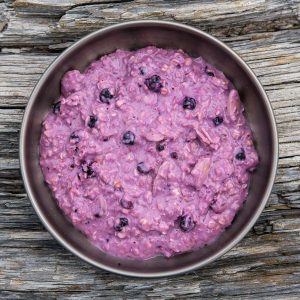
Our Lemon Blueberry Oatmeal was crafted to solve the trail breakfast problem. It doesn’t just taste better — it performs better.
Why it’s the best backpacking oatmeal:
- High-calorie density: 519 calories in just 4 oz (130 cal/oz)
- Long-lasting energy: 17g protein + 24g fat = full for hours
- Smart carbs: Oats + blueberries = fiber + slow-release glucose
- Balanced macros: Designed to support endurance, not sugar spikes
- Diet preference-friendly: vegetarian, vegan, gluten-free, low-sugar, and heart-healthy options
This recipe is ideal for:
- Thru-hikers needing serious space-saving fuel
- Ultralight packers watching every ounce
- Vegan and dairy-free adventurers
- Cold-soakers and freezer bag cookers alike
As Seen in Backpacker Magazine
Backpacker Magazine gave our Lemon Blueberry Oatmeal recipe a real-world test — and it passed with flying colors. Watch the quick video below to see how easy it is to prepare (and why it’s become a trail favorite).
Pro Tips to Maximize Trail Nutrition
Always Include Fat
- Add coconut oil or MCT powder to keep energy steady.
Use Full-Fat Milk Powder
- This bumps calories and gives creaminess. Plant-based? Try coconut or cashew.
Stir and Sit
- Give your oatmeal a full 3-5 minutes to thicken for the best texture and digestibility.
Cozy Up
- Use a food cozy to retain heat if eating hot. In cold weather, this keeps the fats from solidifying before mixing.

Recipe: Home & Field Instructions
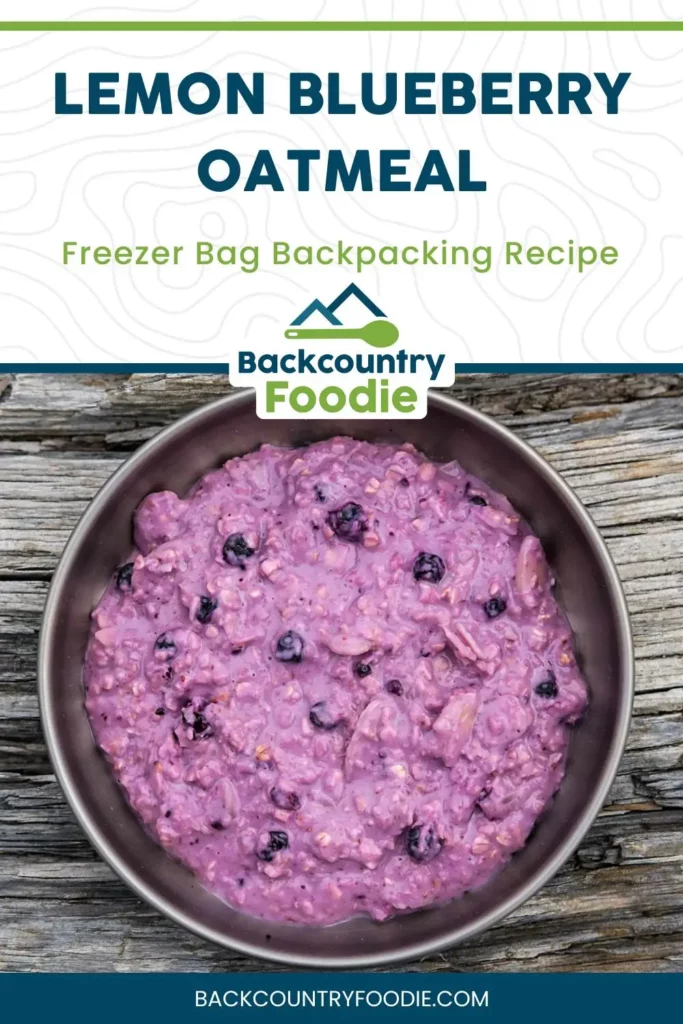
Lemon Blueberry Oatmeal
EQUIPMENT
- leakproof container, for coconut oil
- camping stove, optional
- insulated meal cozy, optional
INGREDIENTS
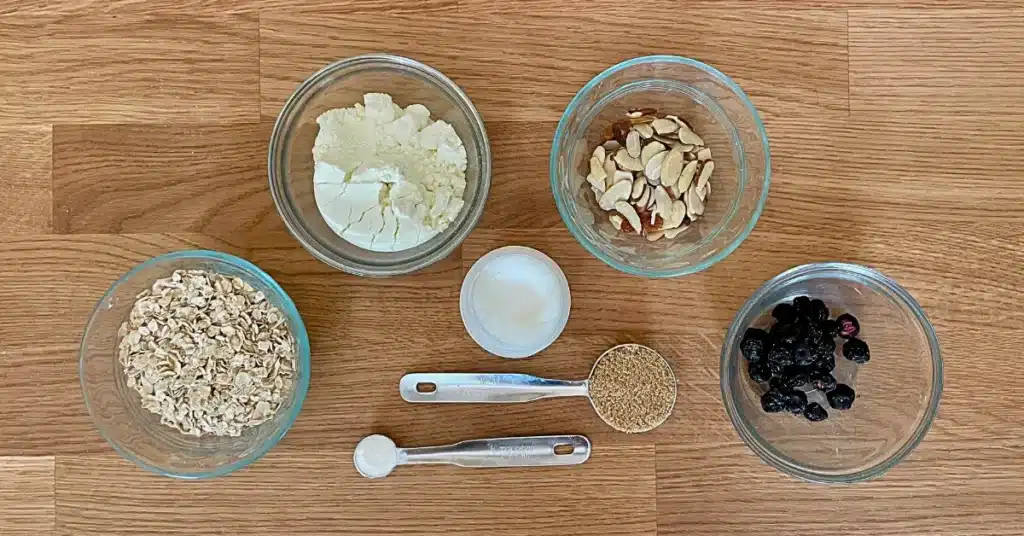
- ½ cup (40 g) oats, quick-cooking
- ¼ cup (34 g) milk powder, whole
- 2 Tbsp (6 g) blueberries, freeze-dried
- 2 Tbsp (12 g) almonds, sliced
- 1 Tbsp (14 g) brown sugar
- 1 packet (0.8 g) lemon powder, 1 packet = 1/4 tsp powder
- ½ Tbsp (7 g) coconut oil
- 8 oz (240 mL) water
Dietary substitutions available — see Substitutions below.
INSTRUCTIONS (per serving)
HOME
- Put all dry ingredients in a bag or container for use in the backcountry.
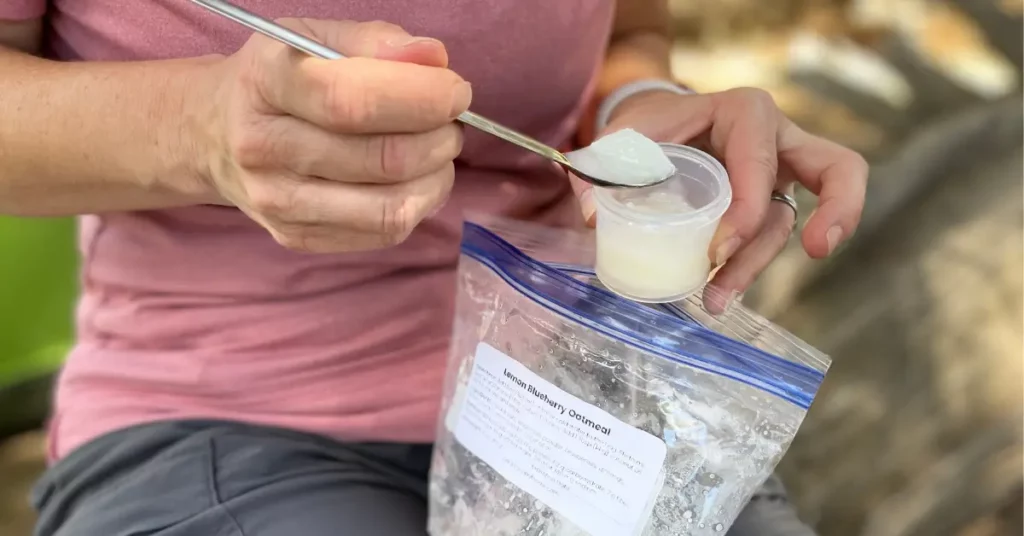
- Pack 1/2 Tbsp (7 g) of coconut oil in a leakproof container to be added when the meal is consumed. We recommend double bagging the oil in the event of a leak. See the meal prep tip below.
FIELD
- Add up to 8 oz (240 mL) of hot or cold water, starting with less and adding additional water as needed to reach your desired consistency.
- Stir and let stand to allow the blueberries to rehydrate and the oatmeal to thicken.
- Add 1/2 Tbsp (7 g) of coconut oil.
- Stir to mix well and enjoy!
NOTES
SUBSTITUTIONS
- Gluten-Free: Replace the quick-cooking oats with an equal amount of certified gluten-free quick-cooking oats.
- Vegan: Replace the whole milk powder with a plant-based milk powder of choice.
- No Added Sugar: Replace the brown sugar with your preferred sugar substitute, adjusting the amount according to the product’s directions and desired sweetness.
- No-Oil-Container Option: Replace the coconut oil with 1 Tbsp MCT oil powder. Add the MCT oil powder directly to the dry ingredients during home preparation. This eliminates the need to carry a separate oil container and allows the oatmeal to be prepared with hot or cold water.
MEAL PREP TIP
- Cold Preparation: When using MCT oil powder, prepare the oatmeal with cold water and allow additional time for the oats and blueberries to soften and the mixture to thicken.
RECIPE LABELS
- Our downloadable recipe labels are designed to print on Avery #18163 (2″ x 4″) Shipping Labels.
NUTRITION (per serving)
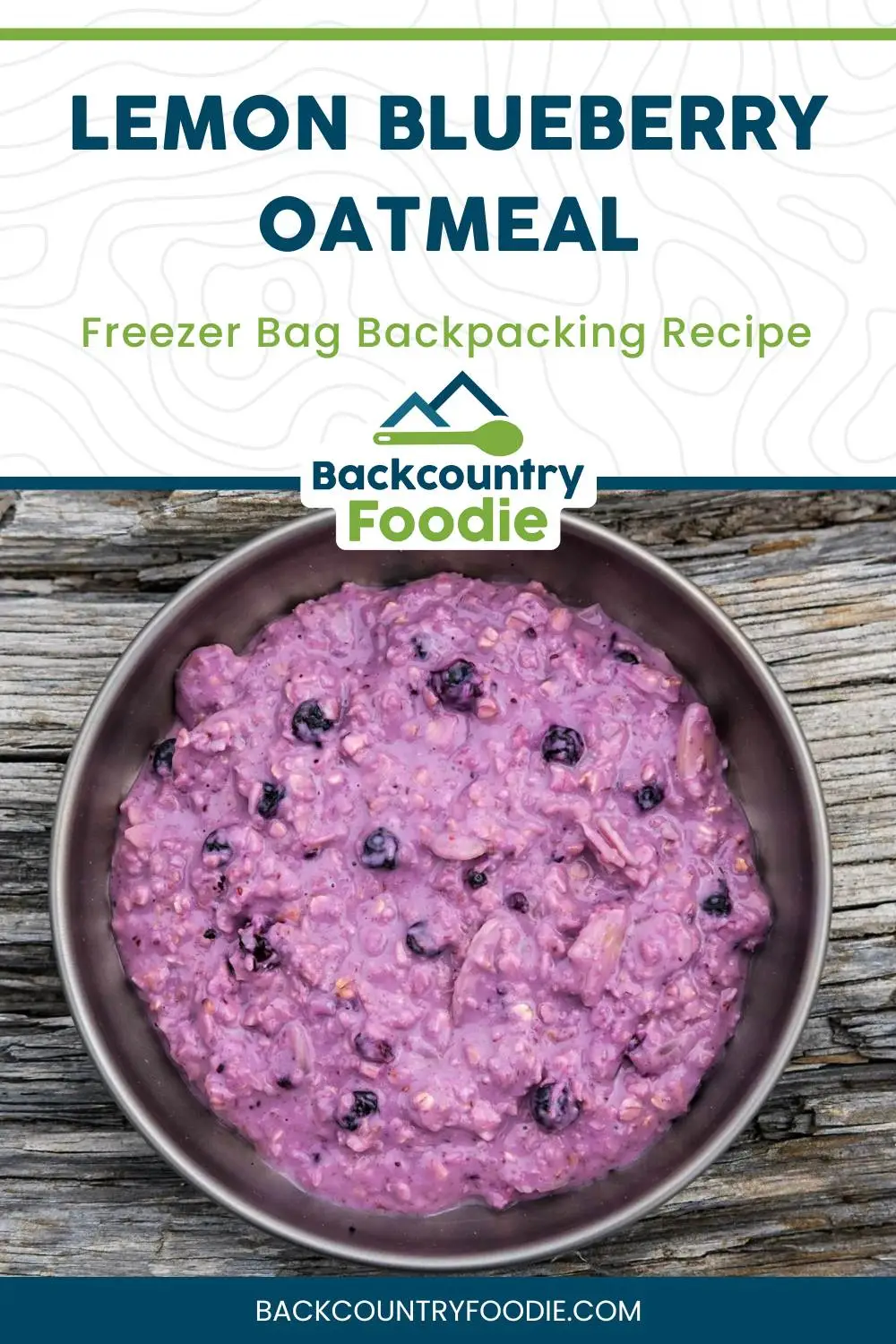
Did you enjoy this recipe?
Pin it and share it with your fellow hikers.
Ingredient Swaps & Dietary Options
This oatmeal is versatile, trail-tested, and tweakable:
- Milk powder → Plant-based or dairy-free? Use soy, cashew, or coconut milk powder
- Coconut oil → Ghee, butter powder, canola oil, or MCT powder for a cold soak option
- Brown sugar → Maple sugar, honey powder, or monk fruit
- Almonds → Walnuts, pumpkin seeds, or sunflower seeds
- True Lemon → Dried lemon zest or homemade lemon juice powder
Mistakes to Avoid When Prepping Trail Oats
Relying on Instant Oatmeal Packets
- They’re fine as snacks, not fuel. Don’t start a big-mile day with only 180 calories for breakfast.
Skipping the Oil
- That’s 120 lost calories and the satiety booster.
- Not a coconut oil fan? Add more milk powder, nuts, or substitute with another fat to maintain high satiety.
Using Dehydrated Fruit
- Freeze-dried fruit rehydrates faster and tastes better.
Not Letting It Sit
- Rushing the soak time leaves chewy oats and uneven flavor.
FAQs
What makes this the best oatmeal for backpacking?
- It’s calorie-dense (130 cal/oz), nutritionally balanced, and keeps you full—unlike instant oats that leave you crashing.
Is this oatmeal good for vegan backpacking?
- Yes! It’s vegan, dairy-free, and soy-free with plant-based fats and no animal products.
Can I cold soak it?
- Absolutely. Use MCT powder instead of coconut oil and let it soak for at least 30 minutes.
Is this a quick backpacking breakfast?
- Yes. Mixes in 4 minutes on the trail, 3 at home.
How long does it last on trail?
- Up to 6 months if stored in airtight packaging. Coconut oil is shelf-stable, but keep it sealed.
How can I reduce the calories?
- Use non-fat milk powder and skip the coconut oil to bring it down to 369 calories.

Plan Smarter Breakfasts with Backcountry Foodie
This Lemon Blueberry Oatmeal is just one of over 250 ultralight, nutritionally optimized trail recipes developed by a registered dietitian (that’s me!) and tested on real backcountry miles.
Get instant access to the full library and start planning lighter, healthier, happier trips: Join Backcountry Foodie












4 Comments
The absolute best backpacking breakfast. I have a hard time adding an alternative breakfast on some days because this really is by far the best.
I don’t use the coconut oil.
Sometimes I use full fat and sometimes nonfat milk. Powdered milk doesn’t have as much variety as in the past at grocery stores. Either works for me.
Sometimes I use TJ freeze dried blue berries and sometimes the TJ dried Berry Medley. One package is 6 servings.
True Lemon is not that easy to find, so when I see it I buy extra. It is a good add in to dinners as well. Some but not all Dollar Trees have it.
Thank you Aaron!!!!
This is our new favorite breakfast! Have you tested it with regular oats for cold soak? If overnight is enough for regular oats I’d kinda like to have just have the regular oats in the house and not have a whole other kind of oats for the backpacking
I ran a test cold soaking with old-fashioned oats, and it’s not nearly as yummy as when it’s made hot. I would do one of two things to thicken up the oatmeal if cold soaking old-fashioned oats – 1. Add chia seeds to absorb some water and give it a creamy overnight oats consistency. 2. Reduce the water by at least 2 oz (60 mL) to thicken the oatmeal. Also, keep in mind that you won’t be able to add the coconut oil unless it’s been warmed up (liquified). By leaving out the oil, the calories will be reduced by 60 calories per serving. Something to remember when cold soaking a meal with milk powder, be sure to consume the meal within 2 hours if soaked above 40℉. This is for food safety reasons. Hope that helps.
This is our new favorite breakfast! Have you tested it with regular oats for cold soak? If overnight is enough for regular oats I’d kinda like to have just have the regular oats in the house and not have a whole other kind of oats for the backpacking