

Nobody wants to end their bucket list backpacking trip early for any reason, especially for a nutrient deficiency that could have been prevented by consuming the right foods. While any nutrition deficiency can occur on the trail, 5 specific nutritional deficiencies make backpackers more susceptible. Specifically, they are vitamin A, vitamin C, thiamine, iron, and selenium. Although individual nutrients are valuable to discuss, it is also important to focus not only on one individual nutrient but the whole food itself.
As a backpacker, you are at higher risk for these deficiencies due to the types of food you are consuming and the preparation methods of these foods. For example, dehydrated foods lose more nutrients than freeze-dried foods, which retain 97% of their nutrients. When possible, choose freeze-dried foods over dehydrated foods.

Nutrient Deficiency #1: Vitamin A
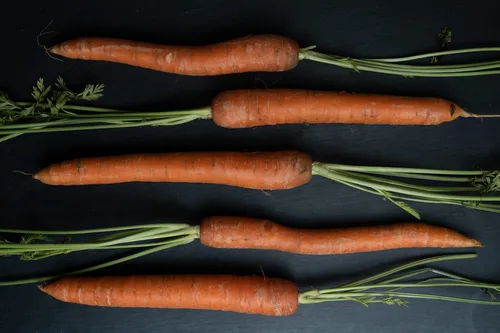
You have probably heard something like: “Eat more carrots to help you see better.” But do you know why people say this? That’s because carrots are high in vitamin A! This vitamin is important not only for vision but also for immune function and cellular communication.
Since most vitamin A is destroyed due to heat exposure, most dehydrated backpacking foods do not contain this important vitamin. This means that you, as a hiker, are at an increased risk of consuming less vitamin A, which could lead to a deficiency.
Vitamin A Deficiency Symptoms:
- Night blindness (an early symptom)
- Dry skin
- Dry eyes
- Throat and chest infections
- Poor wound healing
- Acne
Backpacking Foods High in Vitamin A:
- Sweet potato (freeze-dried)
- Milk powder with added vitamin A and D
- Red bell peppers (freeze-dried)
- Mangos (freeze-dried)
- Fortified breakfast cereals
- Apricots (dehydrated)
- Broccoli (freeze-dried)
- Yogurt (freeze-dried)
- Tuna packets
- Chicken
- Pistachios
PLEASE NOTE: While it is highly unlikely to happen on the trail, you can consume too much vitamin A, leading to vitamin A toxicity.

Nutrient Deficiency #2: Vitamin C
It has been reported that vitamin C deficiency, also known as scurvy, has been around since ancient Egypt. It wasn’t until the mid-1700s that Dr. James Lind discovered that sailors who consumed oranges and lemons at sea were cured of scurvy. You might be thinking that this is an ancient problem. However, there have been incidences of scurvy on the Pacific Crest Trail and Appalachian Trail in recent years.
Vitamin C is a powerful antioxidant and immune system booster. It also aids in the absorption of iron. You also need vitamin C to produce collagen, an element of connective tissue.
You are doing strenuous hiking, which increases your risk of developing this deficiency. In addition, like vitamin A, vitamin C is destroyed by heat during dehydration. Therefore, if you consume mostly dehydrated backpacking meals, your vitamin C intake will be lower than expected. In addition, you are likely not consuming fresh fruits and vegetables while hiking as often as at home.
How long will it take for a deficiency to occur?
On average, it takes about 8-12 weeks for signs and symptoms of vitamin C deficiency to appear.
Common Signs and Symptoms of Vitamin C Deficiency:
- Impaired wound healing
- Inflamed gums
- Corkscrew hairs
- Bruising and discoloration of the skin
- Brown-purple spots on the skin
- Fatigue
- Connective tissue weakness
- Capillary fragility
Backpacking Foods High in Vitamin C:
- Red peppers (freeze-dried)
- Citrus fruits (oranges, grapefruit, lemons – whole, juice packets)
- Green bell pepper (freeze-dried)
- Broccoli (freeze-dried)
- Strawberries (freeze-dried)
- Tomatoes (freeze-dried)
- Spinach (freeze-dried)
- Green peas (freeze-dried)
PRO TIPS:
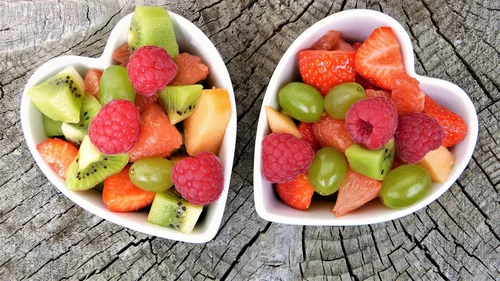
Next time you are thru-hiking, eat a big bowl of fruit in town to ensure adequate vitamin C intake!
Keep your eyes open for wild plants. Foods that are commonly foraged are high in Vitamin C.
Nutrient Deficiency #3: Thiamine / Thiamin / Vitamin B1
“What does thiamine do?” you might ask. It is critical for energy metabolism, which helps cells in your body convert macronutrients like carbohydrates into energy. You definitely want to have enough energy on the trail!
Why is this important for hikers? If you are thru-hiking and consuming many dehydrated foods, there is less thiamine in them because the dehydration process reduces thiamine. Further, if you consume commercialized dehydrated foods that contain sulfur dioxide or other sulfites, this puts you at greater risk because these additives completely destroy thiamine to preserve the degradation of vitamins A and C.
How long will it take for a deficiency to occur?
It takes about 4 weeks for thiamine deficiency to occur and to notice signs and symptoms.
Key Signs and Symptoms of Thiamine Deficiency
- Loss of appetite
- Irritability
- Short-term memory problems
- Loss of feeling in the hands and feet
- Chest pain
- Swelling of the extremities
- Vertigo
- Double vision
- Memory loss
- Confusion
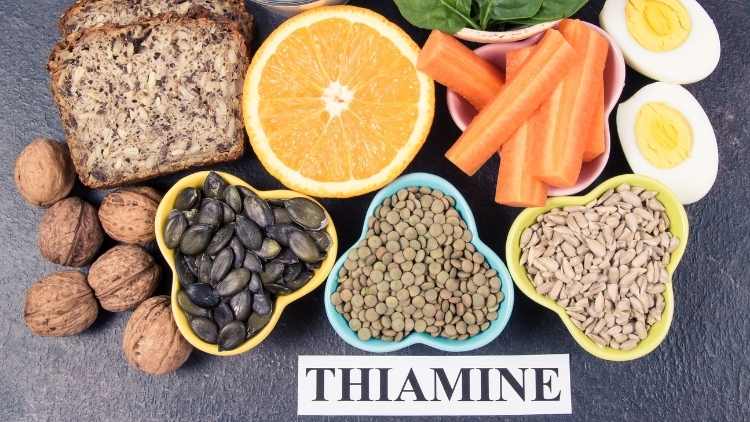
Backpacking Foods High in Thiamine:
- Instant white rice
- Fortified breakfast cereals
- Egg noodles (pre-cooked and dehydrated)
- Tuna packets
- Macaroni (pre-cooked and dehydrated)
- Acorn squash (dehydrated)
- Instant brown rice
- Sunflower seeds
- Beef (freeze-dried, dehydrated)
- Yogurt (freeze-dried)
- Oatmeal
- Corn (freeze-dried)
PRO TIP: Choose foods such as whole grains and oatmeal over highly processed foods.
Nutrient Deficiency #4: Iron
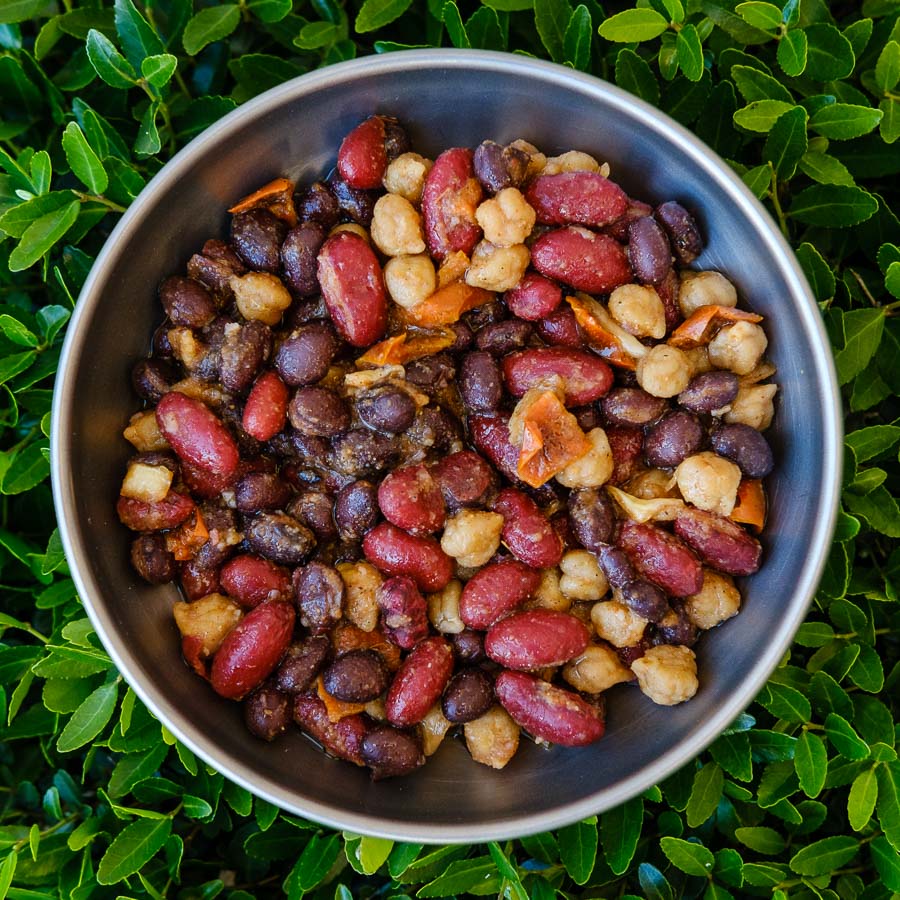
You have probably heard of iron deficiency anemia. That is because it is the most common nutrient deficiency in the world! Iron is an essential mineral in the body because it helps carry oxygen in the blood to tissues. You definitely want to breathe easily while on your thru-hike!
Hikers are at risk for this deficiency because they are endurance athletes (yes, that’s you), and they might be hiking at higher altitudes, which increases their need for oxygen. Another reason is that red blood cells can rupture every time you take a step, also known as footstrike hemolysis. In addition, menstruating females are at greater risk. Vegetarians and vegans(plant-based foodies) have a higher risk as well, since they do not consume heme iron, which only comes from meat.
How long will it take for a deficiency to occur?
Iron deficiency anemia does not happen overnight. In fact, it takes many months or even years to develop. You might not even notice you have it until your symptoms are severe. Don’t wait until it is too late.
Iron Deficiency Symptoms:
- Spooned nails
- Pale skin
- Swelling of the tongue
- Chest pain
- Cold hands and feet
- Difficulty concentration
- Dizziness
- Fatigue
- Headache
- Irregular heartbeat
- Unusual cravings for nonfood items (pica)
- Restless legs syndrome
- Shortness of breath
- Weakness
Backpacking Foods High in Iron:
- Iron-fortified cereals
- White beans (dehydrated)
- Dark chocolate
- Lentils (pre-cooked and dehydrated)
- Spinach (freeze-dried, dehydrated)
- Tofu (freeze-dried)
- Kidney beans (dehydrated)
- Chickpeas (dehydrated)
- Tomatoes (freeze-dried, dehydrated)
- Beef (freeze-dried, dehydrated)
PRO TIP: Vitamin C helps with the absorption of iron. When possible. consume foods high in Vitamin C and iron together.

Nutrient Deficiency #5: Selenium
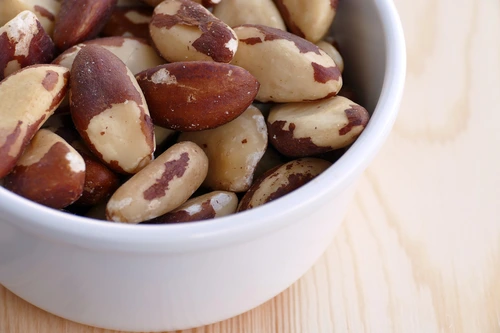
Have you ever heard of selenium? It’s a trace mineral that plays many roles in reproduction, thyroid hormone health, and DNA synthesis. It also acts as a protector against oxidative damage and infection.
Who’s at risk? If you are a vegetarian or vegan or if you have a digestive disorder, you are more at risk than the average person.
Signs of a Selenium Deficiency:
- Muscle weakness
- Fatigue
- Mental fog
- Hair loss
- Weakened immune system
Backpacking Foods High in Selenium:
- Brazil nuts
- Tuna packets
- Enriched macaroni (pre-cooked and dehydrated)
- Beef, turkey, chicken (freeze-dried, dehydrated)
- Instant brown rice
- Oatmeal
- Milk powder
- Lentils (pre-cooked and dehydrated)
- Spinach (freeze-dried, dehydrated)
- Cashews
PRO TIP: One quick and easy way to avoid selenium deficiency is to eat one brazil nut daily because that meets 100% of your daily selenium requirement. Beer is also a lesser known source of selenium.
Prevention of nutrient deficiencies is key to your success on the trail and a crucial part of backpacking nutrition.
It is much easier to prevent a nutrient deficiency than to play catch-up while thru-hiking. When you value what you put into your body, you reap the rewards of accomplishing your bucket-list dream hikes, and your body thanks you.
Disclaimer: This information is provided for your personal use and informational purposes only. You should consult a physician before beginning any exercise or nutrition routine. See the reference list below.
Pin it for later and share it with your fellow backpackers!
Are you interested in learning more about backpacking nutrition?
Check out these past blog posts…
- Backpacking Meal Plans: Not all are created equal
- Backpacking Nutrition: Fueling Farther Using the Goldilocks Approach
- A Dietitian’s Guide for How to Determine Hiking Calories
Sources:
- Johnson L. Vitamin A Deficiency – Nutritional Disorders – MSD Manual Professional Edition. MSD Manual Professional Edition. Published 2020. Accessed October 14, 2020.
- Miller J. Iron Deficiency Anemia: A Common and Curable Disease. Cold Spring Harb Perspect Med. 2013;3(7):a011866.
- Wiley K, Gupta M. Vitamin B1 Thiamine Deficiency (Beriberi). Ncbi.nlm.nih.gov. Published 2020. Accessed October 14, 2020.











6 Comments
Been prepping meals here for work for over a month. In the winter, fresh veggies last longer. I keep cooked veggies such as broccoli and cauliflower up to 4 days in fridge. Would freeze dried veggies hold more nutrients than left overs please? Trying to squeeze as much vitamins as possible. Thank you so much!
Hi, Yun. Keep using fresh veggies when you can as they retain the most nutrients. Unfortunately, nutrients are lost during the cooking process as the water used to boil vegetables is often disposed of. I’m unable to quantify what percentage of nutrients are lost during the cooking process at home but the freeze-drying process retains 97% of the nutrients. Hope that helps.
Thank you so much Aaron! You’re right. Fresh veggies are so precious and feeling more so after feeding myself quick meals at work for a while such as dried veggies, fruits in ramen/couscous. Happy trails! Looking forward to follow you on Colorado Trail this summer!
May I suggest an edit? Instead of “females are at greater risk due to menstruation,” “menstruating females are at greater risk” is more accurate. I haven’t had a uterus for years, and I know women who had hysterectomies as young as in their 20s. Are the nutritional needs of non-menstruating females the same as males?
Hi Kim,
Thank you so much for pointing this out! We made your suggested edit in the blog. When it comes to iron, the nutritional needs of non-menstruating females are the same as males. Thank you so much!
Best,
Hannah
Thank you!